
If you’re looking for plumbing website management, you probably think your website is “handled” just because someone updates security patches.
If you’re a plumbing business owner, you probably think your website is “handled” because someone updates the security patches and runs backups. That’s a common assumption, and it’s costing you more leads than you realize.
Managed website services go far beyond the technical checklist. While basic maintenance keeps your site from breaking, professional management keeps it working strategically for your business. For plumbing companies competing in local markets, that distinction isn’t just important—it’s the difference between a website that generates calls and one that quietly falls behind.
What Basic Maintenance Covers
Basic website maintenance is essentially defensive. It’s about preventing disasters, not creating opportunities.
A standard maintenance plan typically includes security updates to protect against vulnerabilities, automated backups in case something goes wrong, and uptime monitoring to alert you if the site crashes. Some providers also handle plugin updates and SSL certificate renewals.
These tasks are necessary, absolutely. But they’re reactive, not proactive. They keep your website from dying, but they don’t make it thrive.
Think of it like maintaining your work van. Oil changes and tire rotations prevent breakdowns, but they don’t bring you new customers or help you serve existing ones better.
What Professional Management Includes
Managed website services treat your website as a living business asset that requires strategic attention. It’s an ongoing partnership focused on performance, not just preservation.
Professional management includes everything in basic maintenance, plus content updates that reflect your current services and seasonal offerings. It means actively optimizing your site for search engines as algorithms change and competitors adjust their strategies. It involves monitoring user behavior to identify friction points in your customer journey.
For plumbing businesses, this looks like updating emergency contact information across all pages when your dispatch number changes. It means removing that spring drain cleaning promotion when summer arrives and replacing it with water heater maintenance messaging. It includes adding new service areas as you expand your coverage zone.
A managed approach also means someone is watching your analytics, identifying which pages generate calls and which ones don’t, then making informed improvements. When a competitor starts outranking you for “emergency plumber near me,” someone notices and responds strategically.
The Hidden Cost of Passive Websites
Here’s what the “set it once and watch it go” mentality actually costs plumbing businesses: market relevance.
Your competitors aren’t standing still. They’re publishing fresh content about seasonal plumbing issues. They’re updating their service pages with detailed descriptions that match what customers are searching for. They’re adding new testimonials and project photos that build trust with potential customers.
Meanwhile, if your site still lists a phone number you changed two years ago, or features a team member who left your company in 2022, or promotes services you no longer offer, every visitor notices. They may not consciously register these details, but they feel the staleness. And that feeling makes them click the back button.
Google notices too. Search engines reward websites that demonstrate freshness, relevance, and ongoing optimization. A passively maintained site slowly loses ground in search rankings, which means fewer people find you when they need a plumber.
The investment in professional management isn’t an expense—it’s what prevents your website from becoming an invisible, outdated liability that actively hurts your business reputation.
Sign #1: Your Service Areas Are Outdated or Don’t Match Where You Actually Work
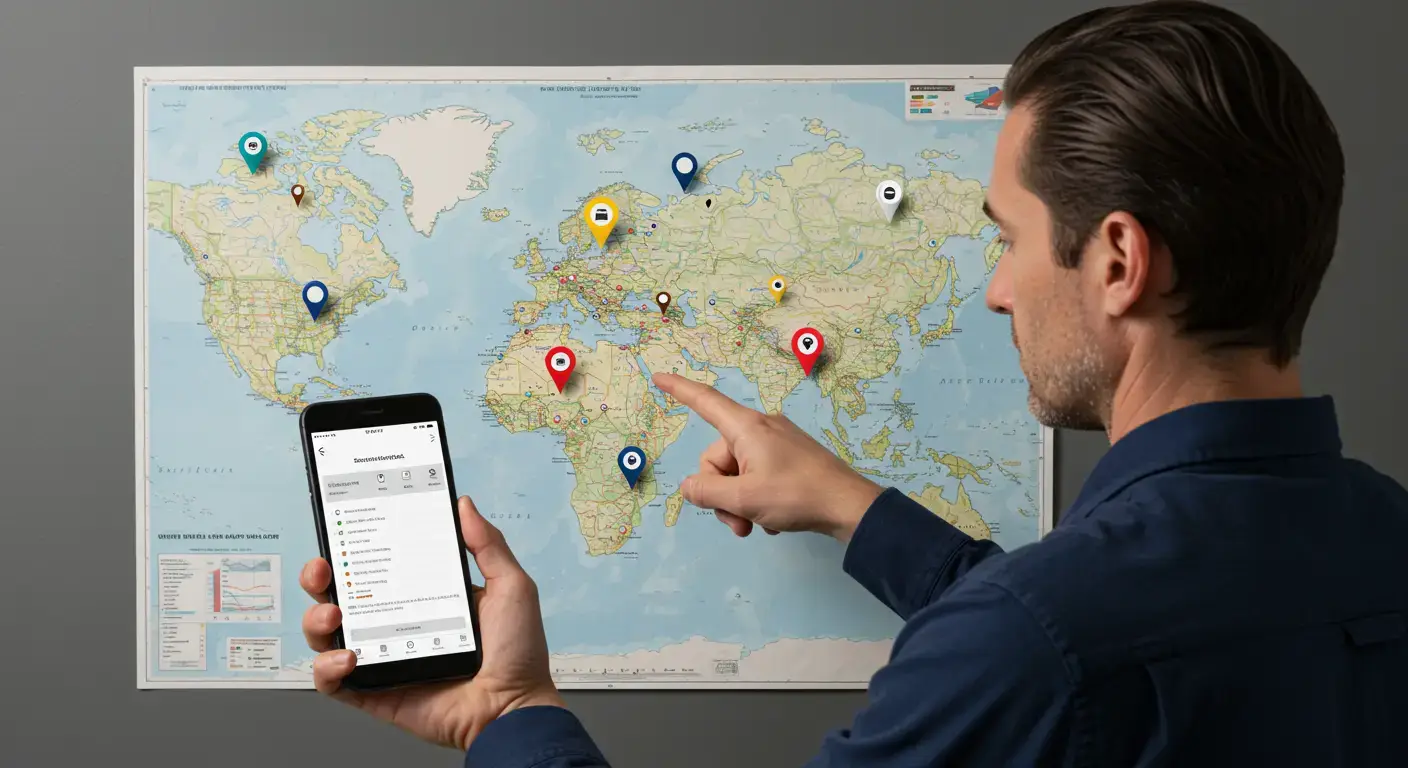
Nothing damages your local search visibility quite like telling Google—and potential customers—that you serve areas you’ve actually stopped covering. Or worse, failing to mention the new neighborhoods where you’re now doing most of your work.
This isn’t just about keeping information current. It’s about lost revenue every single day those inaccuracies remain on your site.
The Local SEO Impact of Inaccurate Service Areas
When your service area pages don’t reflect reality, you’re essentially competing with one hand tied behind your back. Google’s local search algorithm relies heavily on location signals to determine which businesses to show for searches like “plumber near me” or “emergency plumber in [neighborhood].”
If your website says you serve the Westside but you stopped taking calls there six months ago, you’re creating a credibility problem. Customers who can’t actually get service from you will bounce from your site immediately. Google notices these behavioral signals and interprets them as a sign that your page doesn’t satisfy searcher intent.
The flip side is equally problematic. Let’s say you’ve expanded into three new suburbs this year, but your website still only lists your original service territory. You’re invisible in local search results for those areas—no matter how good your plumbing work is.
Meanwhile, your competitors with current, well-optimized service area pages are capturing those calls. They’re ranking for “Riverside emergency plumber” and “Maplewood drain cleaning” because they’ve told Google they work there and proven it with dedicated, relevant content.
How Google Interprets Service Area Changes
Google doesn’t automatically know when you’ve expanded to new cities or stopped serving old ones. The search engine builds its understanding of your service coverage from multiple signals: your website content, your Google Business Profile, citation consistency across directories, and customer review locations.
When these signals conflict—your site says one thing, your Google Business Profile says another—it creates confusion that typically results in reduced visibility across the board. Google needs clear, consistent information to confidently display your business in local search results.
Business territories naturally evolve. You hire new technicians and can cover more ground. You close a satellite office and consolidate operations. A new highway opens and changes your effective service radius. These operational changes need to be reflected across your entire web presence, not just in your internal dispatch system.
Here’s the challenge: this requires ongoing attention. A one-time website update isn’t enough when your service areas shift every few months based on staffing, demand, or business strategy. You need someone monitoring performance in each territory, updating content when coverage changes, and ensuring consistency across all the platforms that feed Google’s local algorithm.
This is exactly where managed website services become an investment rather than an expense. Professional management means your digital presence evolves with your actual business operations, keeping you visible in the right local searches month after month.
Sign #2: Seasonal Promotions From Last Year Are Still Haunting Your Homepage

Picture this: A homeowner frantically searches for winterization services in November, lands on your website, and sees a banner screaming “Spring 2023 Water Heater Special!” What message does that send? It tells them nobody’s home—and if you’re not maintaining your own website, how can they trust you’ll maintain their plumbing?
Outdated seasonal promotions aren’t just embarrassing. They’re credibility killers that cost you real revenue.
The Trust Problem With Stale Promotions
When potential customers see last year’s seasonal offers still plastered across your homepage, they immediately question whether your business is even operational. Worse, they wonder if you’re detail-oriented enough to handle their plumbing emergency.
Your website is often the first impression a customer gets of your business. If that impression is “nobody’s paying attention here,” they’ll click back to your competitor who’s advertising current winterization specials and appears to have their act together.
Missing The Revenue Window
Every season brings specific plumbing needs—and homeowners are actively searching for these services at predictable times. When your website doesn’t reflect current seasonal priorities, you’re leaving money on the table.
A homeowner ready to invest in pre-winter pipe insulation in October doesn’t want to see your April drain cleaning promotion. They want to know you’re thinking about the same seasonal concerns they are, right now.
Common Seasonal Plumbing Promotions That Get Forgotten
The plumbing industry has natural promotional cycles that align with customer needs:
Fall/Winter promotions should emphasize winterization services, pipe freeze prevention, water heater tune-ups before heavy usage, and emergency heating system support.
Spring is prime time for drain cleaning after winter buildup, sewer line inspections, sump pump testing, and outdoor faucet reactivation.
Summer campaigns work well for garbage disposal maintenance before holiday cooking, water conservation audits during peak usage, and irrigation system services.
These aren’t just marketing opportunities—they’re service reminders that genuinely help customers prevent expensive emergencies.
Why Promotional Calendars Need Ongoing Attention
Here’s the challenge: Managing a promotional calendar requires someone to actually update your website every few months. For busy plumbing business owners juggling service calls, employee schedules, and supplier relationships, website updates constantly slide to the bottom of the priority list.
This is precisely where managed website services make a measurable difference. Rather than hoping you’ll remember to swap out promotions between emergency calls, a management partnership ensures your seasonal messaging stays current without requiring your constant attention.
The investment in ongoing website management pays for itself when customers see timely, relevant promotions that match their immediate needs—and choose your business because you appear engaged, current, and ready to serve them.
Sign #3: Your Emergency Contact Number Changed But Your Website Didn’t

Picture this: A homeowner wakes up at 2 AM to a burst pipe flooding their basement. They frantically Google “emergency plumber near me,” find your website, and dial the number in your header. It rings once, then goes to a generic voicemail for a technician who left your company six months ago.
That customer isn’t calling back. They’re already dialing the next plumber on the list.
Wrong contact information on your website doesn’t just create confusion—it directly hands paying customers to your competitors. Every outdated phone number represents lost revenue, and in the plumbing business where emergency calls can mean $500 to $2,000 jobs, even a few missed connections add up fast.
The problem runs deeper than you might think. That old number isn’t sitting in just one place on your site waiting to be fixed.
Every Place Your Contact Info Needs Updating
Your contact information lives in far more locations than most business owners realize. The header that appears on every page needs the current number. So does the footer. The dedicated contact page obviously requires updating, but what about all those service-specific pages?
Your drain cleaning page probably has a call-to-action with your phone number. Your water heater installation page might feature a “Call for a Free Quote” section. Your about page, your blog posts, even your 404 error page could display contact information.
Each location needs individual attention because website templates don’t automatically sync these details. Change your header, and your footer stays frozen with the old information unless you manually update it too.
Then there’s the NAP consistency factor that affects your visibility in local search results. NAP stands for Name, Address, and Phone number—the trinity of local SEO signals that Google uses to verify your business legitimacy. When your website displays a different phone number than your Google Business Profile or online directories, search engines interpret this as conflicting information about your business.
This inconsistency doesn’t just create confusion—it actively damages your local search rankings. Google wants to show searchers reliable businesses with accurate information. Conflicting contact details signal that your business might not be trustworthy or currently operating.
The Hidden Schema Markup Problem
Here’s where things get technical, but stay with me because this matters for your bottom line.
Schema markup is code embedded in your website that helps search engines understand your business information. It’s invisible to human visitors but crucial for how Google displays your business in search results—including those rich snippets that show your phone number, address, and hours directly in search listings.
When you update the visible phone number on your contact page but forget the schema markup, you’ve created a split-brain situation. Humans see one number, search engines read another, and customers end up calling disconnected lines or reaching the wrong business entirely.
Most business owners have no idea schema markup even exists, let alone how to audit and update it. This isn’t something you can fix through your website’s visual editor—it requires accessing the actual code.
This is precisely where managed website services become invaluable rather than optional. Professional website management includes systematic contact information audits that check every instance of your NAP data—both visible and hidden. Instead of discovering outdated information only after customers complain, you have a partnership with experts who proactively monitor and maintain accuracy across all touchpoints.
Because in the plumbing business, the cost of a missed emergency call far exceeds the investment in keeping your digital front door working properly.
Sign #4: Competitors Are Outranking You With Fresh, Relevant Content
You’ve invested in a solid plumbing website. Your services are clearly listed, your contact information is accurate, and the design looks professional. Yet when potential customers search for “emergency plumber near me” or “water heater installation,” competitors consistently appear above you—even though you’ve been in business longer and have better reviews.
The likely culprit? They’re publishing fresh, relevant content while your site remains static.
Google’s algorithm doesn’t just evaluate what’s on your site—it evaluates when that content was last updated and how frequently you add new information. A website that hasn’t published new content in six months sends a signal that the business might be less active, less engaged, or less authoritative than competitors who publish weekly.
How to Identify If You’re Losing Ground to Competitors
Start with a simple competitive analysis. Search for your primary services—drain cleaning, sewer line replacement, tankless water heater installation—and note which companies consistently appear in the top five organic results.
Visit their websites and check their blog sections. If they’re publishing new content weekly or bi-weekly while your last blog post is from 2022, you’ve identified a significant competitive gap.
Look beyond just frequency. Are competitors answering specific questions your potential customers are asking? Search Google for “how much does it cost to replace a sewer line in [your city]” or “do I need a permit for water heater installation.” If competitors have dedicated content addressing these questions and you don’t, you’re losing qualified traffic to businesses that may not even be better than yours.
Check the “People Also Ask” boxes that appear in Google search results. These questions represent real search intent from your target customers. Each unanswered question is a content opportunity your competitors might be capturing.
The Content Freshness Factor in Plumbing SEO
Google’s “freshness algorithm” particularly values recent content for topics where timeliness matters—and plumbing is full of these opportunities.
Building codes change. Permit requirements get updated. New water efficiency standards roll out. Seasonal plumbing concerns shift with the weather. When your website addresses these timely topics, Google recognizes your content as current and relevant.
Consider local content opportunities specific to your service area. Did your city just update its backflow prevention requirements? That’s content gold. Is there a new water conservation rebate program? Write about it before your competitors do. Even seasonal advice—preparing pipes for winter, managing increased water usage during summer—demonstrates ongoing expertise and engagement.
Managed website services include content strategy built around these opportunities, ensuring your site stays ahead of regulatory changes and seasonal needs rather than scrambling to catch up.
This is where content velocity becomes a competitive advantage. Competitors using professional blogging services publish consistently, building a library of helpful content that compounds over time. Each new article targets different search queries, answers different questions, and creates another entry point to their website.
Beyond Blog Posts: Other Content That Needs Regular Updates
Many plumbing business owners think “fresh content” means blog posts alone. That’s a costly oversight.
Your service pages need regular optimization based on evolving search patterns and customer language. The way people searched for water heater services three years ago has shifted. New technologies like heat pump water heaters require updated service descriptions.
FAQ sections should expand as you field new questions. If you’re repeatedly explaining the difference between trenchless and traditional sewer repair, that explanation belongs on your website—and your competitors’ sites probably already have it.
Even your “evergreen content”—those fundamental service pages you created years ago—needs periodic refreshes. Google rewards pages that are updated with new information, additional details, or improved formatting. A service page last modified in 2020 will generally underperform an equivalent page updated in 2024, even if the core service hasn’t changed.
Consider these content elements that require regular attention:
- Service area pages with current neighborhood references and local landmarks
- Pricing guides that reflect current market conditions and material costs
- Technology updates as new products and methods become industry standard
- Customer testimonials and recent project examples
This ongoing content maintenance, combined with strategic new publishing, is exactly what SEO for plumbers requires in today’s competitive landscape. It’s not a one-time project—it’s an ongoing partnership that keeps your website working as hard as you do.
When competitors commit to regular content publishing and you don’t, they’re not just ranking higher—they’re building long-term authority that becomes increasingly difficult to overcome. The gap widens with each month of inaction.
Sign #5: Your Website Isn’t Reflecting Your Current Services or Specializations

Your plumbing business isn’t the same as it was three years ago. You’ve added commercial services. Your team earned new certifications in trenchless pipe repair. You invested in hydro-jetting equipment that sets you apart from competitors.
But your website still lists “general plumbing services” like it’s 2020.
This disconnect costs you jobs every single day. When a property manager searches for “commercial backflow testing in [your city],” they’re not finding you—even though you now have certified technicians and specialized equipment. Your website doesn’t mention it, so Google doesn’t know to show you for those searches.
The gap between what you actually do and what your website says you do is leaving money on the table. Potential customers are calling competitors who clearly communicate their specialized capabilities, even if those competitors aren’t as qualified as your team.
New Services That Should Be Added Immediately
Start with revenue generators you’ve added in the past year. Did you expand into commercial plumbing? That deserves its own detailed service page, not a single mention buried in your residential content.
New certifications matter more than you think. If your plumbers completed training in gas line installation or became certified backflow testers, create dedicated pages explaining these services. These certifications solve specific problems for specific customers—and those customers are actively searching for qualified professionals.
Specialized equipment changes what jobs you can take. Hydro-jetting, video pipe inspection, and trenchless repair technology all deserve prominent placement. Property managers and commercial clients specifically search for plumbers with this equipment because it means faster, less disruptive solutions.
Geographic expansion needs immediate updates too. If you started serving neighboring towns, your website should reflect this with location-specific service pages that help you appear in local search results for those areas.
Optimizing Existing Service Pages
Generic service pages are search visibility killers. A single page titled “Plumbing Services” that lists everything from drain cleaning to water heater installation won’t rank for any of those specific searches.
Each major service category needs its own optimized page with detailed information. What does your drain cleaning process involve? What brands of water heaters do you install? What’s your response time for emergency calls? This specificity helps both search engines and potential customers understand exactly what you offer.
Service pages should answer the questions customers ask before they call. Include information about what to expect during service, typical project timelines, and what sets your approach apart. This builds trust and prequalifies leads before they even pick up the phone.
Quarterly reviews keep your service offerings current. Schedule time every three months to audit your website against your actual capabilities. This regular check prevents the drift between your real business and your online presence from becoming a revenue problem.
This is where managed website services prove their worth. Rather than hoping you’ll remember to update your site between jobs, professional website management ensures your service pages evolve with your business. For plumbing businesses specifically, specialized web design for plumbers creates a foundation that makes ongoing service updates straightforward instead of stressful.
Your website should be your best salesperson. When it accurately reflects your current capabilities and specializations, it works around the clock to connect you with the exact customers you’re now equipped to serve.
Sign #6: You’re Getting Traffic But Not the Right Kind of Leads

There’s a common misconception that more website traffic automatically means more business. But if your analytics dashboard shows hundreds of monthly visitors while your phone stays quiet, something’s broken in the lead generation chain.
Traffic without conversions is just noise. And for plumbing businesses, the wrong kind of traffic can be especially frustrating.
Warning Signs in Your Analytics
Your Google Analytics might look healthy at first glance, but dig a little deeper and you’ll spot the red flags. High bounce rates on service pages. Visitors spending seconds instead of minutes on your site. Contact form submissions asking about services you don’t even offer.
One of the most telling indicators is what searches are actually bringing people to your site. If you’re ranking for terms like “how to fix a leaky faucet yourself” or “DIY toilet repair tutorial,” you’re attracting homeowners who want to solve the problem themselves—not hire you to do it. Meanwhile, your competitors are showing up for “emergency plumber near me” and “licensed plumber [your city].”
Geographic mismatch creates another layer of wasted traffic. You might be getting visitors from three states away who’ll never call because you don’t serve their area. Or your local SEO strategy hasn’t properly defined your service radius, so you’re ranking in neighborhoods you can’t reach in time for emergency calls.
The keyword gap between DIY searchers and ready-to-hire customers represents lost revenue every single day. Someone searching “how much does it cost to hire a plumber” is closer to conversion than someone searching “plumbing repair tips,” but if your content strategy doesn’t distinguish between these intent levels, you’ll never optimize for what actually drives business.
From Visitors to Qualified Leads
Converting traffic into qualified leads requires ongoing analysis and adjustment—not a one-time website setup. This is where managed website services differ fundamentally from basic website maintenance.
A managed approach includes regular conversion optimization. That means analyzing which pages lose visitors, testing different calls-to-action, adjusting contact form placement, and ensuring your most profitable services get prominent positioning. It means tracking not just traffic volume but traffic quality.
Regular keyword analysis keeps your SEO for plumbers strategy aligned with actual customer intent. Your service partner should review search console data monthly, identifying which terms drive calls versus which generate empty clicks. They should adjust your content strategy based on what’s converting, not just what’s trendy.
Geographic targeting needs constant refinement too. As you expand service areas or adjust your emergency call radius, your website strategy should evolve accordingly. Your managed services partner should update location pages, adjust local citations, and refine Google Business Profile settings to match your current operational footprint.
The investment in managed website services pays for itself when your traffic transforms from curious browsers into qualified leads who are ready to hire. Because at the end of the day, the goal isn’t to rack up impressive visitor counts—it’s to keep your calendar full with jobs that match your expertise and service areas.
Sign #7: You Don’t Have Time to Keep Up (And It’s Costing You)

Every hour you spend wrestling with WordPress is an hour you’re not booking jobs, training technicians, or growing your plumbing business. It’s a simple equation, but one that most business owners don’t calculate until they’ve already lost thousands in opportunity costs.
You tell yourself you’ll update that service area page next week. You’ll fix that broken contact form when things slow down. You’ll optimize for those new keywords when you have a free afternoon.
But here’s the truth: that free afternoon never comes. And while you’re waiting for it, your competitors are capturing the leads that should be yours.
The True Cost of DIY Website Management
The numbers tell a sobering story. The average plumbing business owner who manages their own website spends 8-12 hours monthly on updates, troubleshooting, and content changes. At your billable rate, that’s easily $800-1,500 in lost revenue every month.
But the real damage runs deeper than time alone. Those “I’ll get to it later” tasks pile up like sediment in old pipes. A minor plugin conflict becomes a security vulnerability. An outdated service description becomes a trust issue. A slow page speed becomes a ranking penalty.
Small issues compound into major problems. Your site gets hacked because you missed a critical security update. You lose three months of leads because a form broke and nobody noticed. Google demotes your rankings because your content hasn’t been refreshed in 18 months.
Meanwhile, your competitor down the street has managed website services handling everything. Their site stays current, secure, and optimized. They’re capturing emergency calls at 2 AM while your outdated emergency number sends customers to voicemail.
The investment in professional management isn’t an expense—it’s insurance against everything you’re losing right now.
What to Look for in Managed Website Services
Not all managed services are created equal, especially for trade businesses with specific needs. You need a partnership that understands plumbing industry challenges, not just generic web maintenance.
Look for services that include proactive monitoring, not just reactive fixes. Your provider should catch problems before they affect customers. Security updates, performance optimization, and uptime monitoring should happen automatically, without you asking.
Content management matters too. Your seasonal promotions should change with the calendar. Your service areas should reflect where you actually work. Your emergency contact information should update the moment it changes.
The best managed website services deliver peace of mind. You should receive regular reports showing what’s being maintained, what’s improving, and how your site performs against competitors. No technical jargon—just clear insights about your digital presence.
Calculate the ROI honestly. If professional management costs $300 monthly but saves you 10 hours and generates 2-3 additional leads, you’re not spending money. You’re investing in growth while buying back time to run your business.
Your website should work for you, not create more work. If it’s doing the latter, it’s time to bring in the experts.
How Professional Managed Website Services Solve These Problems

If you’ve recognized any of the warning signs we’ve discussed, you’re probably wondering what comprehensive website management actually looks like for a plumbing business. Professional managed website services go far beyond fixing broken links or updating a phone number—they represent a systematic, proactive approach to making your website a reliable lead generation asset.
For plumbing contractors, comprehensive managed services include everything from technical maintenance and security monitoring to content strategy and search engine optimization. This means someone is actively ensuring your seasonal promotions reflect the current season, your service areas are accurate and optimized, your emergency contact information is prominently displayed, and your site consistently outperforms competitors in search rankings.
The difference between basic maintenance and true management is the philosophy. Maintenance is reactive—fixing problems after they occur. Management is proactive—preventing problems before they impact your business and continuously improving performance. It’s the difference between calling a plumber only when pipes burst versus having a maintenance contract that prevents emergencies in the first place.
BochiWeb’s approach to managed website services follows a systematic five-phase methodology specifically designed for trade contractors. We start with a comprehensive audit of your current website, identifying technical issues, content gaps, and missed opportunities. From there, we develop a customized strategy aligned with your business goals and seasonal service offerings.
Implementation happens in prioritized phases—addressing critical issues first (like outdated emergency numbers or broken contact forms), then moving to optimization opportunities. Ongoing monitoring ensures we catch and resolve problems before they affect your customers. Regular optimization means your site continuously improves based on real performance data and changing search algorithms.
Monthly Managed Services Checklist
What does professional website management actually include month-to-month? Here’s what BochiWeb handles for plumbing businesses:
Technical Management: Core software updates, security patches, backup verification, uptime monitoring, broken link checks, mobile performance optimization, and page speed improvements.
Content Strategy: Fresh blogging content for plumbers that addresses seasonal topics and customer questions, service page updates reflecting your current offerings, promotion updates aligned with your calendar, and location-specific content optimization.
SEO Maintenance: Keyword performance monitoring through SEO services tailored for plumbers, competitor analysis, local search optimization, Google Business Profile alignment, meta description refinement, and search ranking reports.
Lead Generation Focus: Contact form testing, call tracking integration updates, conversion rate optimization, emergency service visibility, and user experience improvements based on actual visitor behavior.
Communication: Monthly performance reports with metrics that matter to your business, strategic recommendations for the quarter ahead, and priority access to our team for urgent updates.
Results You Can Expect
In your first 30 days with managed website services, expect immediate stabilization. We address critical issues like incorrect contact information, broken forms, security vulnerabilities, and outdated promotions. You’ll receive a comprehensive audit report showing exactly where your site stands and what we’re fixing first.
By day 60, you’ll see measurable improvements. Technical performance scores increase, fresh content begins attracting search traffic, and your site starts climbing in local rankings for your target service areas. Most importantly, you’ll have confidence that your website accurately represents your business.
The 90-day mark typically brings transformation. Plumbing contractors consistently see increased organic traffic, more qualified leads through contact forms, improved search rankings for commercial and residential services, and a website that finally works as hard as they do in the field.
This isn’t a “set it and forget it” arrangement—it’s an active partnership focused on continuous improvement. Your business evolves with seasonal demands, service area expansion, and new offerings. Your website management should evolve alongside it.
Ready to transform your plumbing website from a source of stress into a reliable business asset? Explore BochiWeb’s website management services and discover how a proactive approach to website management eliminates those nagging warning signs while building a stronger online presence for your plumbing business.